48 Hours in Oslo: A Perfect Nordic City Escape for Travelers
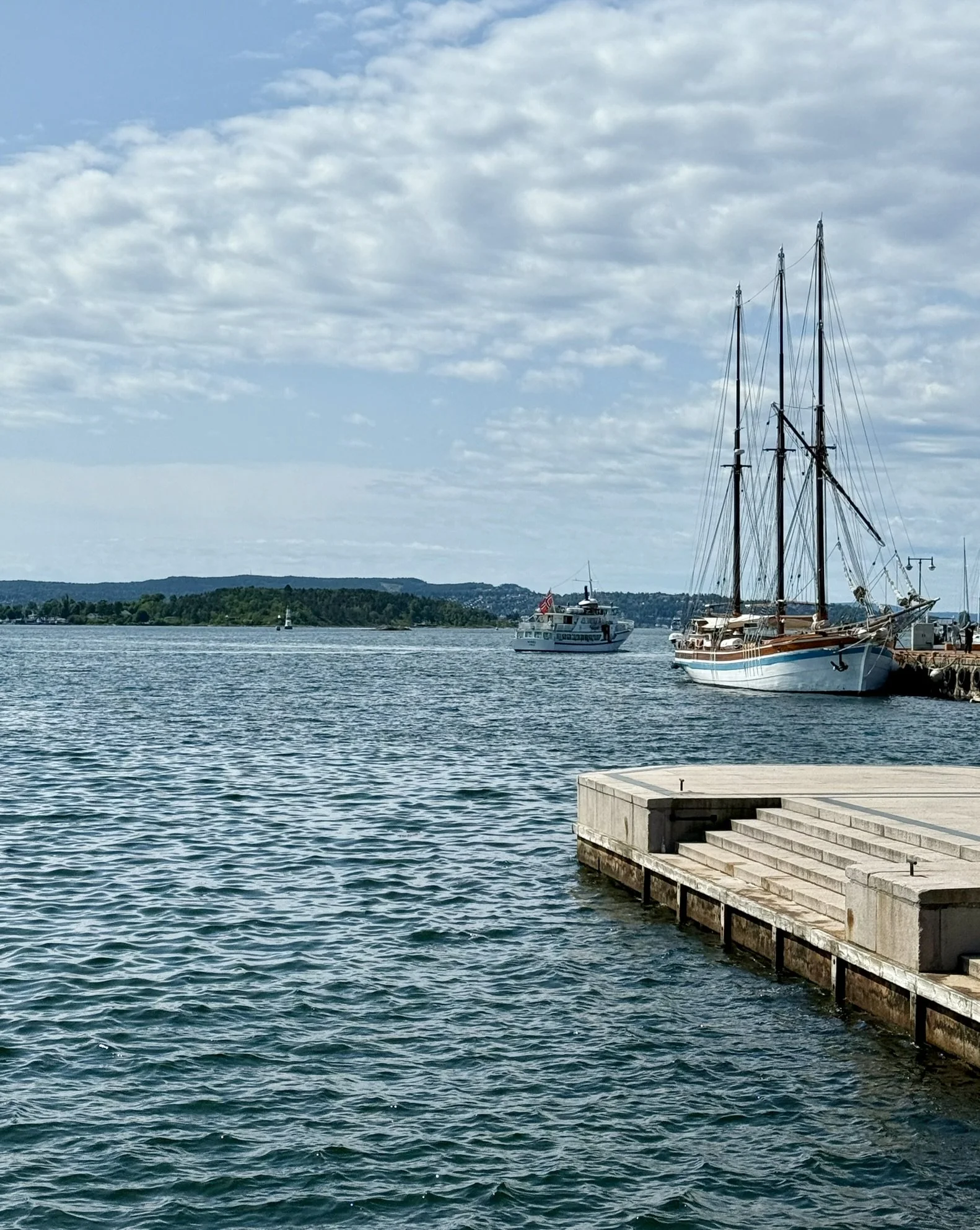
Norway Travel Guide
48 Hours in Oslo, Norway: A Perfect Nordic City Escape
A cozy Oslo itinerary with royal landmarks, waterfront walks, museums, Holmenkollen Ski Jump, Vigeland Park, Norwegian food stops, and easy travel tips.
Oslo was the first stop on our mission to check off the final pieces of our Nordic travel puzzle—a city known for sleek Scandinavian design, crisp coastal views, and understated charm. What we found was a destination that blends history and modern life in the most effortless way, making it the perfect place to ease into a new adventure.
From late-night sunsets and cozy hotels to walking tours, museums, famous landmarks, and plenty of good food, our two days here were full, memorable, and surprisingly relaxing. Keep reading to see everything we did in 48 hours in Oslo.
Plan Your Trip
Oslo at a Glance
Everything to know before planning your own quick Oslo stop — where we stayed, how we explored, and the experiences we’d recommend most.
Trip Map
Our Oslo Itinerary Map
Follow Our Oslo Adventure
From cozy Scandinavian stays and royal landmarks to famous museums and unforgettable viewpoints, these are the stops that made up our 48 hours exploring Norway’s capital.
Travel Experience Collection
Day 1 & 2
Discovering Oslo: A Gentle Introduction to Norway’s Capital
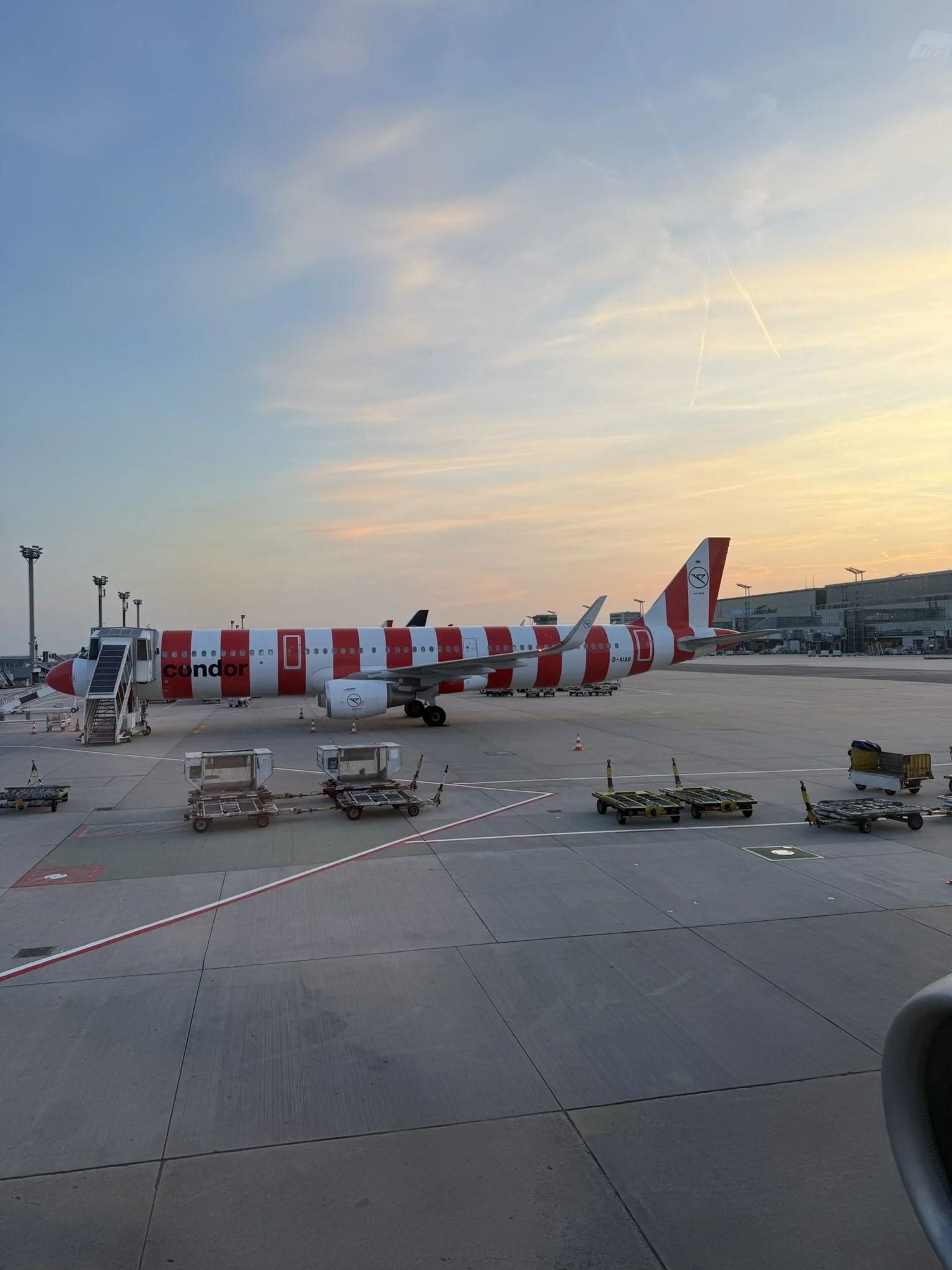
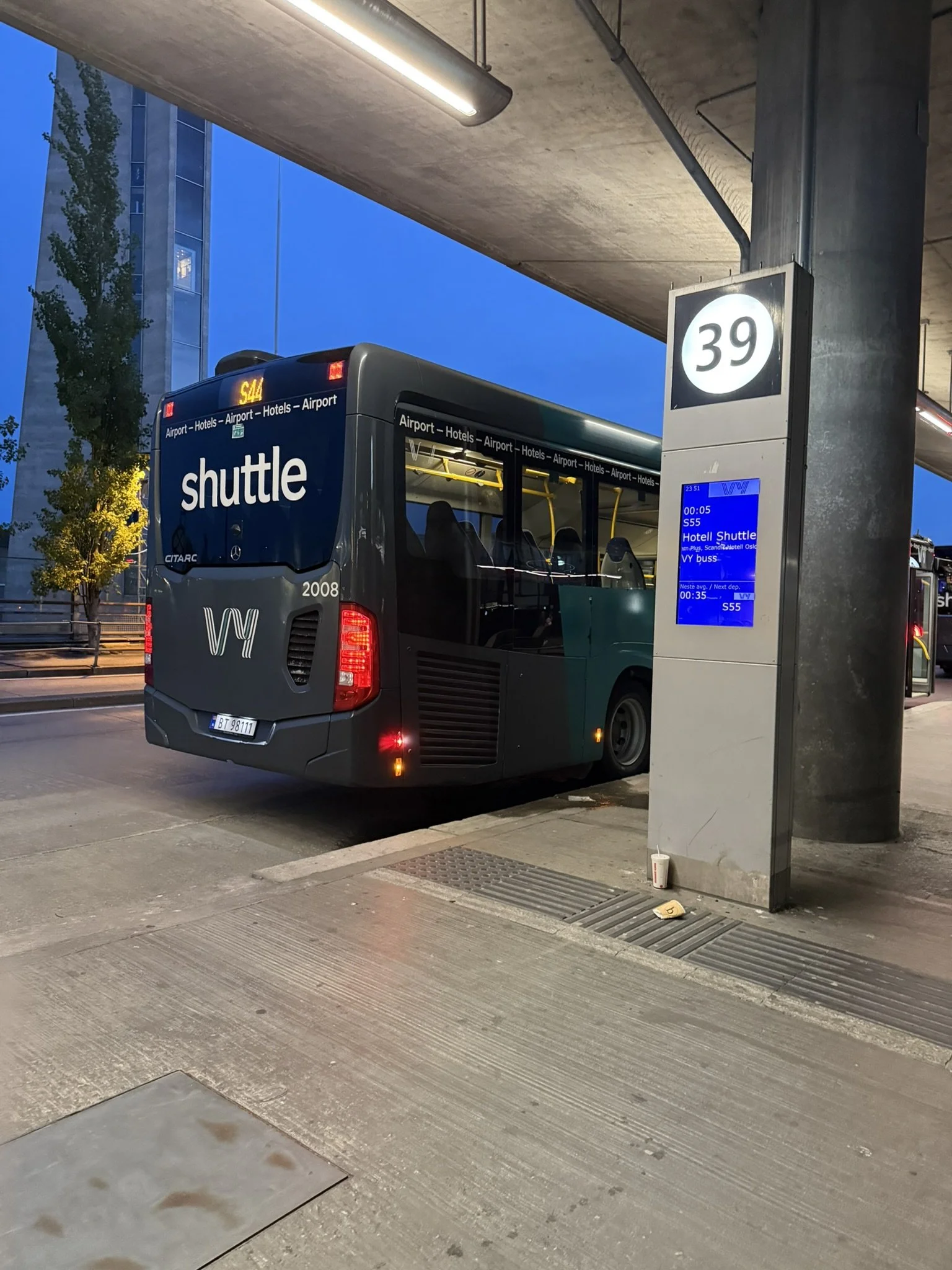
For my husband’s birthday trip, we set out to finish checking off the last of the Nordic countries on our list—starting with Oslo, Norway. We left Frankfurt and landed just before midnight, and in true Scandinavian fashion, the sky was still glowing. After grabbing the airport shuttle, we checked into the Best Western Plus Oslo Airport, which was perfect for a late arrival: quiet, comfortable, and only minutes from the terminal.
The next morning, an Uber took us into the city, where we checked into Hotell Bondeheimen—a stylish, cozy spot with the warm, modern Scandinavian feel that makes you instantly settle in. Bags dropped, we headed out for our Oslo walking tour.
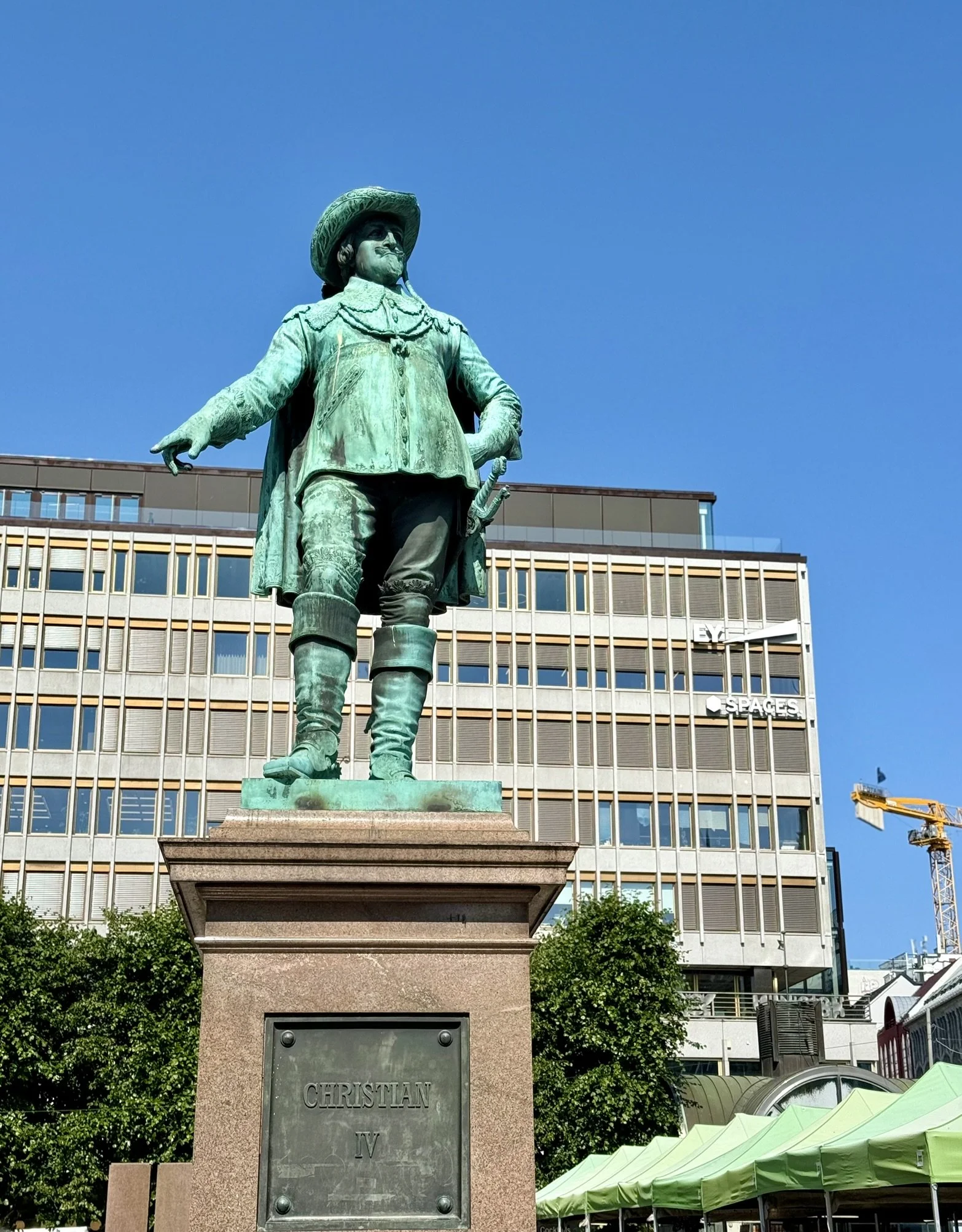
We met our guide at the University of Oslo, a historic building that once served as the ceremonial heart of Norwegian academia. A short walk brought us to Nationaltheatret, one of Oslo’s beloved cultural landmarks, where we learned how Norway’s theater tradition and artistic heritage played a big role during the country’s path to independence.
From there, we made our way toward the Royal Palace at the end of Karl Johans Gate. It’s still home to the king, but it also symbolizes the shift toward a more independent Norway in the early 1900s. Along the same bustling street, we passed the statue of King Karl Johan and the lively stretch of cafés, shops, and historic architecture that make this Oslo’s most iconic avenue.
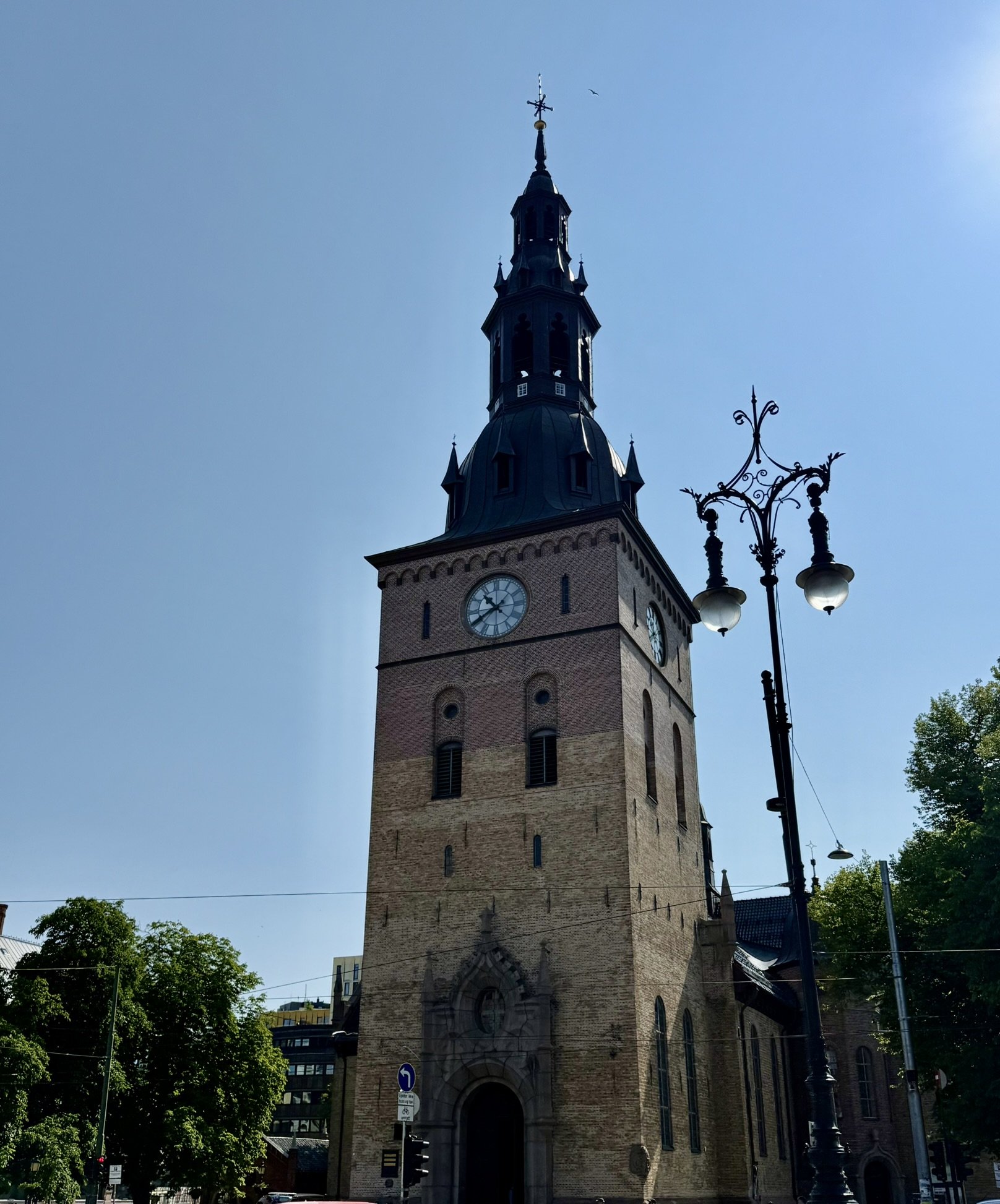
Closer to the water, we reached Akershus Castle and Fortress—an imposing medieval structure that has been everything from a royal residence to a military fortress and even a prison. Its layered history mirrors Norway’s own evolution over the centuries.
We continued by the exterior of Oslo City Hall, instantly recognizable for its distinctive brick architecture and best known for hosting the annual Nobel Peace Prize ceremony. Across from it stands the Nobel Peace Center—modern, sleek, and dedicated to sharing global peace efforts.
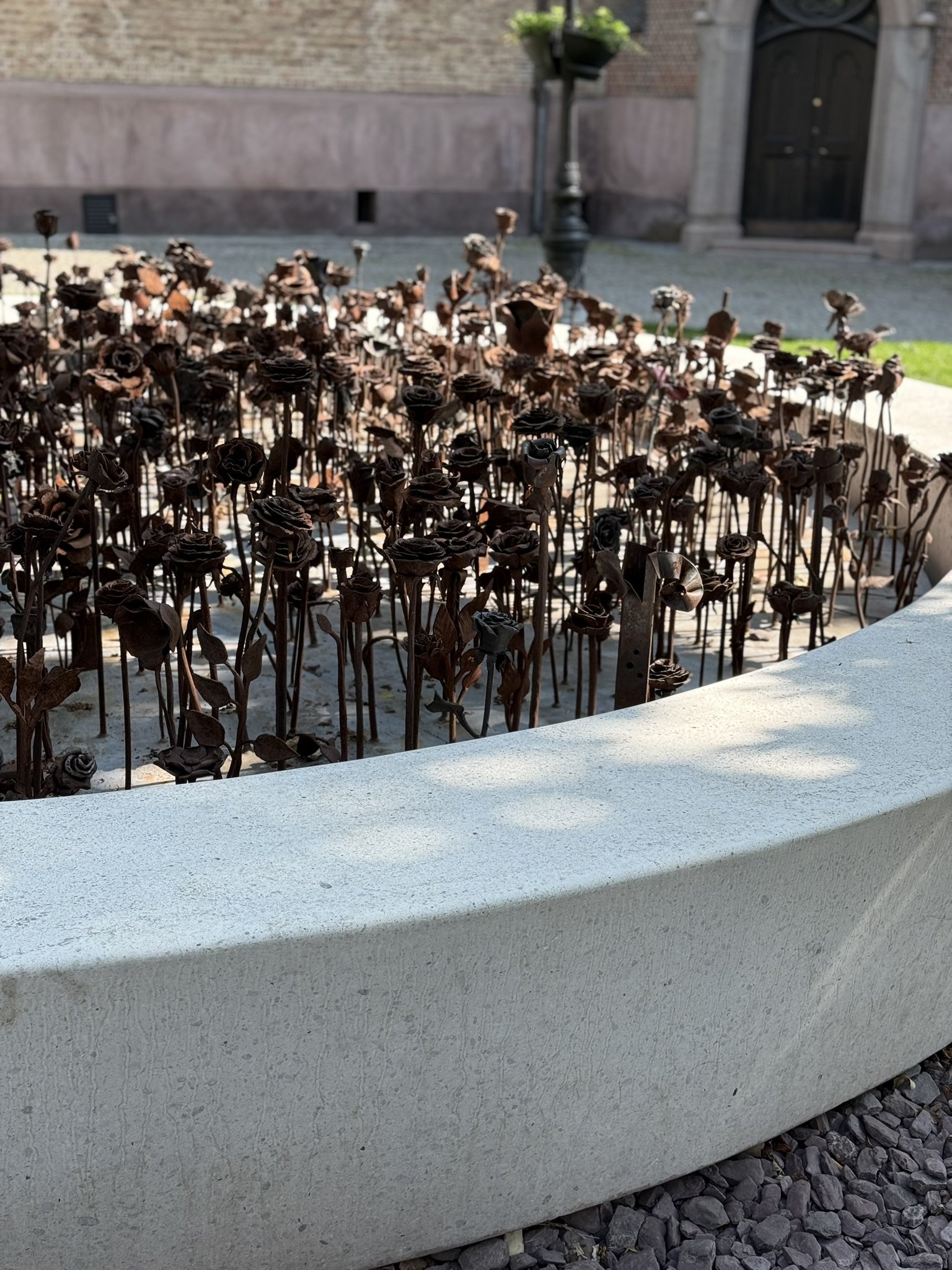
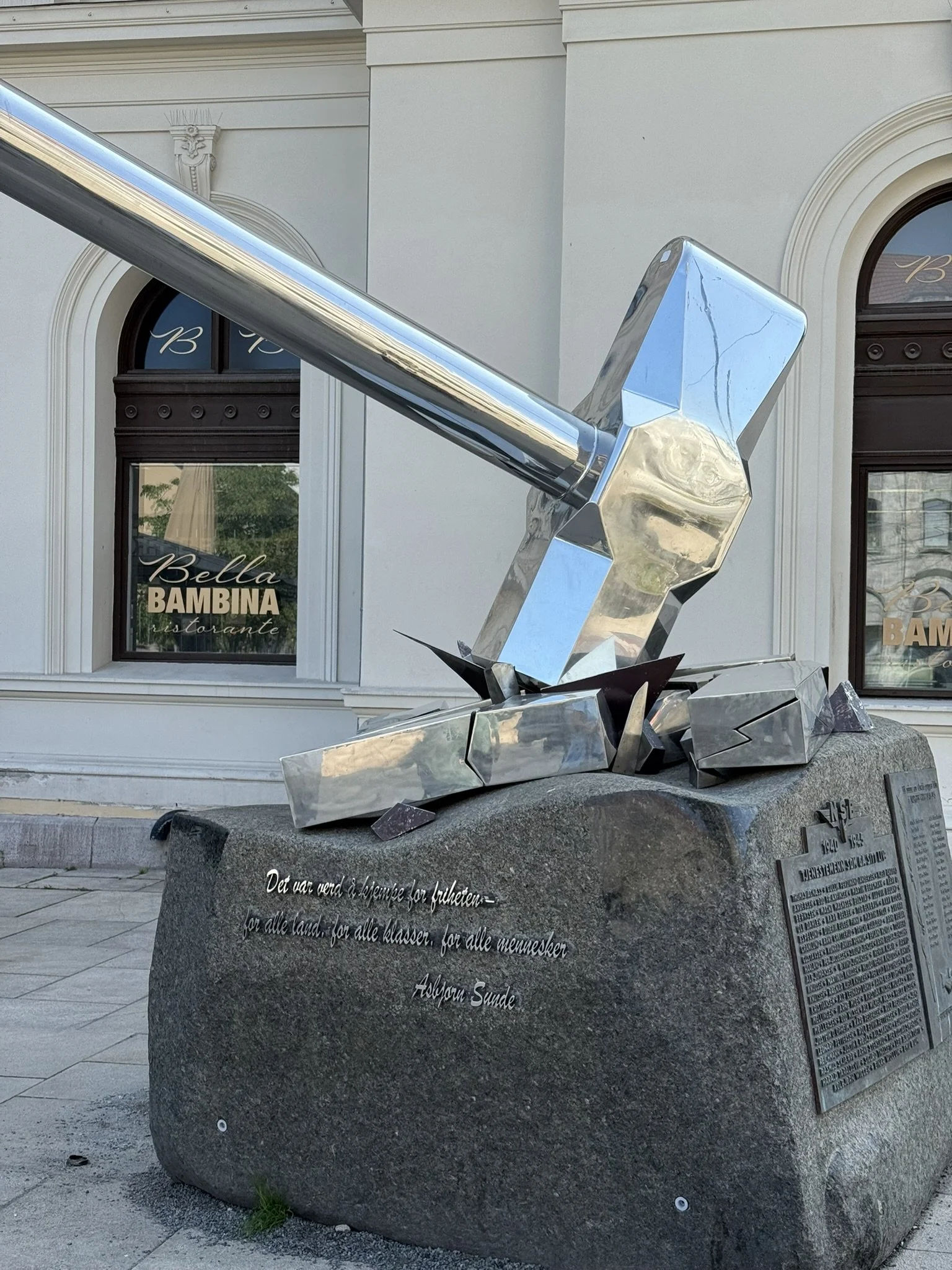
The walk also took us past the futuristic Oslo Opera House, famous for its sloping rooftop you can walk up, before continuing into Kvadraturen, the city’s oldest district filled with cobblestones and traces of old Oslo. We passed Christiania Torv, the historic market square, and the vibrant waterfront neighborhood of Tjuvholmen—once home to shipyards and now a hub of art galleries, cafés, and modern architecture.
By the end, the tour felt like a perfect crash course in Oslo—its royal history, its architectural contrasts, its independence, and its modern creativity—woven together in just a couple of hours.
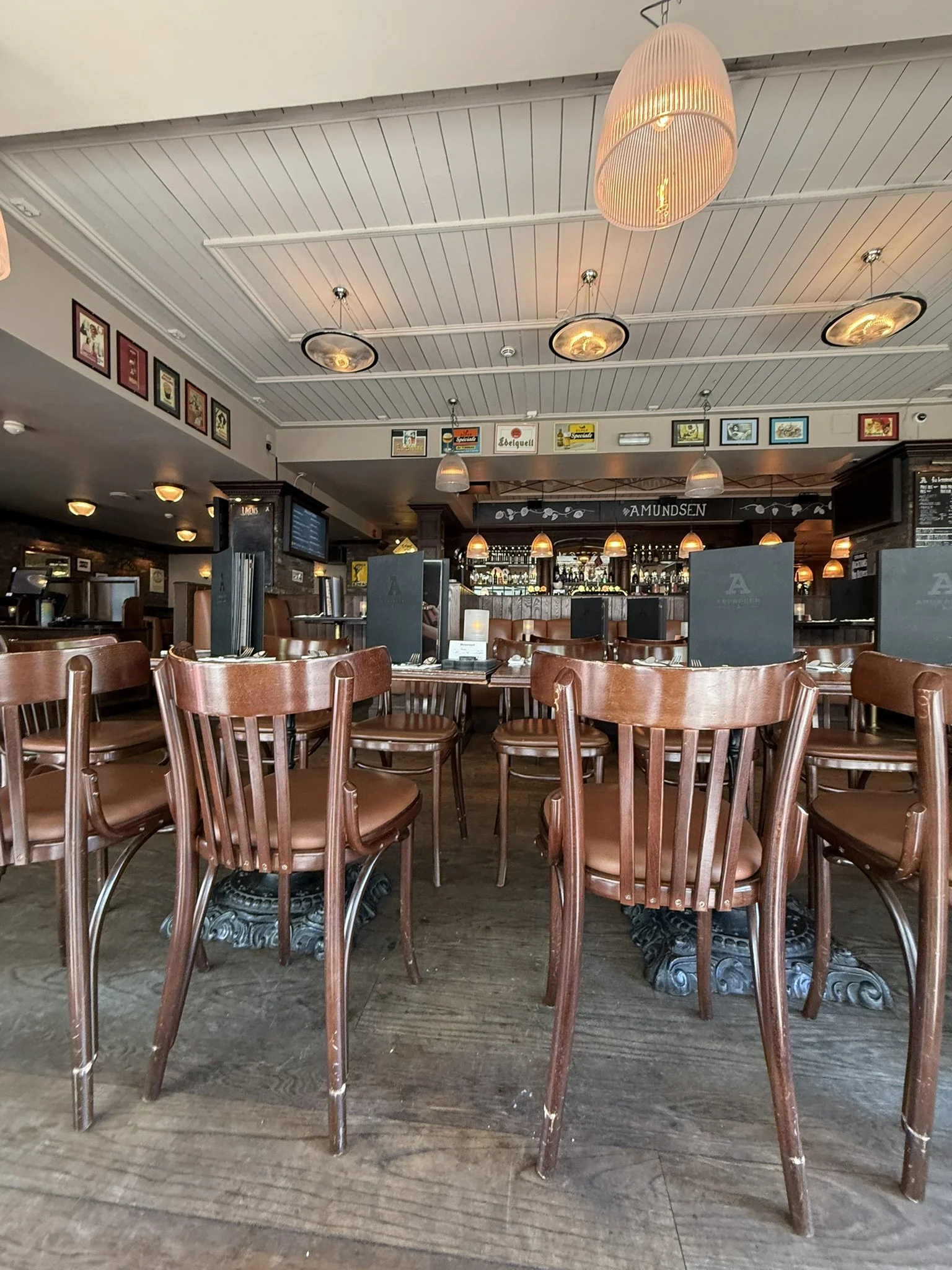

Hunger hit soon after, so we stopped near City Hall at Amundsen Bryggeri & Spiseri. Sitting outside with great service, we ordered simple classics: a Caesar salad for me and a cheeseburger for William. Both were delicious. Dessert was split: my tiramisu was good but forgettable, while his blackberry cheesecake was definitely the standout.
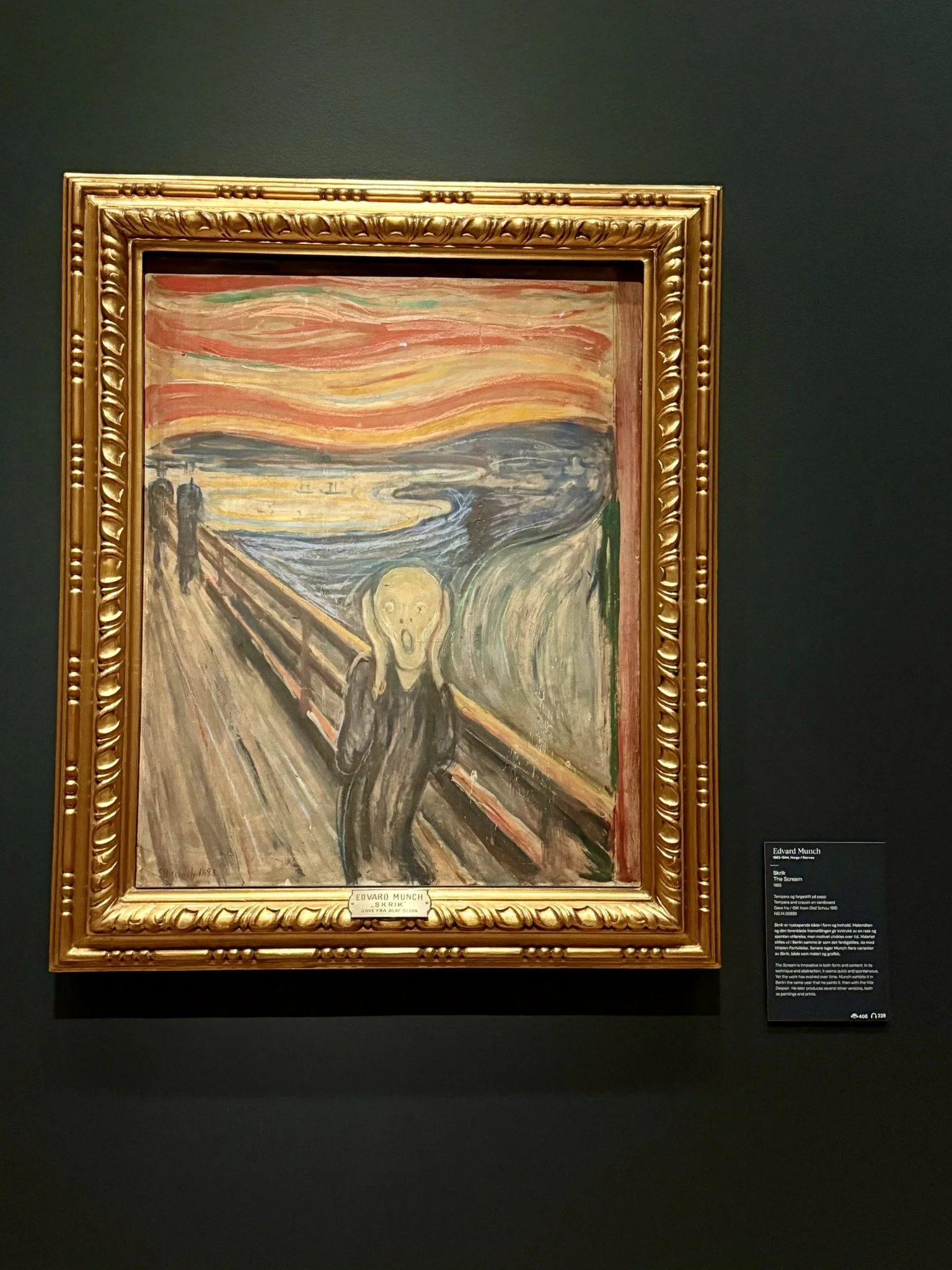
Then it was off to the National Museum to finally see The Scream by Edvard Munch in person. We also saw a Vincent van Gogh self-portrait and several other beautiful works. The museum layout felt a bit scattered, but the art itself made the visit worthwhile.
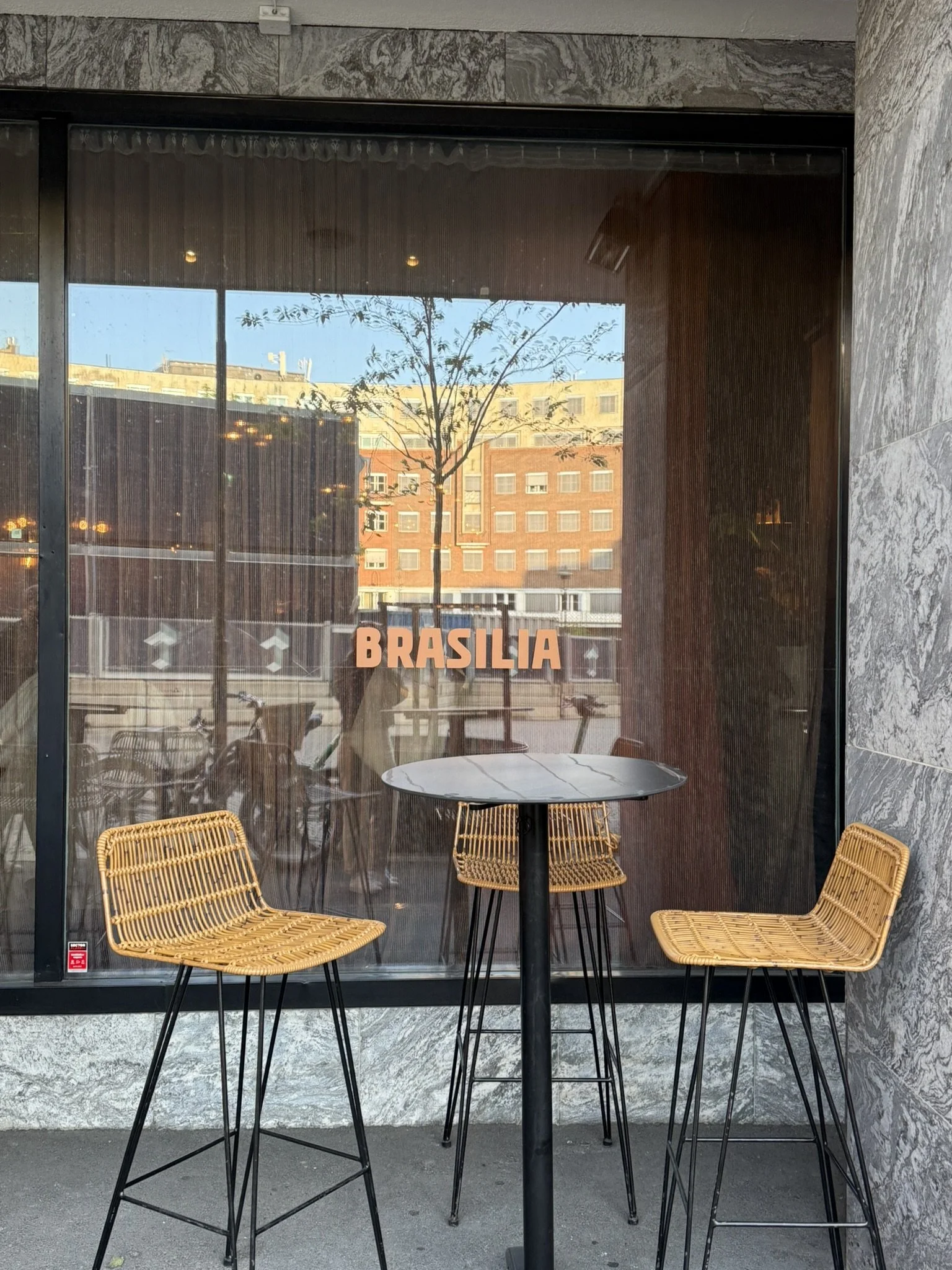
For dinner, we tried Brasilia, a Brazilian barbecue where servers bring different meats around the room. The food was tasty, but the long waits between servings and a limited buffet made the experience just okay—and the service didn’t really elevate it.
Before heading back to the hotel, I grabbed a bar of Norway’s famous Freia Melkesjokolade. Creamy, smooth, and not overly sweet—absolutely worth picking up.
We ended the night early, ready for a full bus tour of Oslo in the morning and the next chapter of our Nordic adventure.
Oslo Collection



As an Amazon Associate I earn from qualifying purchases. These are items I recommend packing for Norway.
Day 3
Exploring Oslo by Bus: From Ski Jumps to Open-Air Museums
The next morning, we headed out for our Oslo bus tour. The coach was comfortable, and our guide was both knowledgeable and genuinely entertaining—such a nice change from tours that feel dry. As we made our way out of the city, we passed a few familiar sights from the day before, and then officially left the center behind.
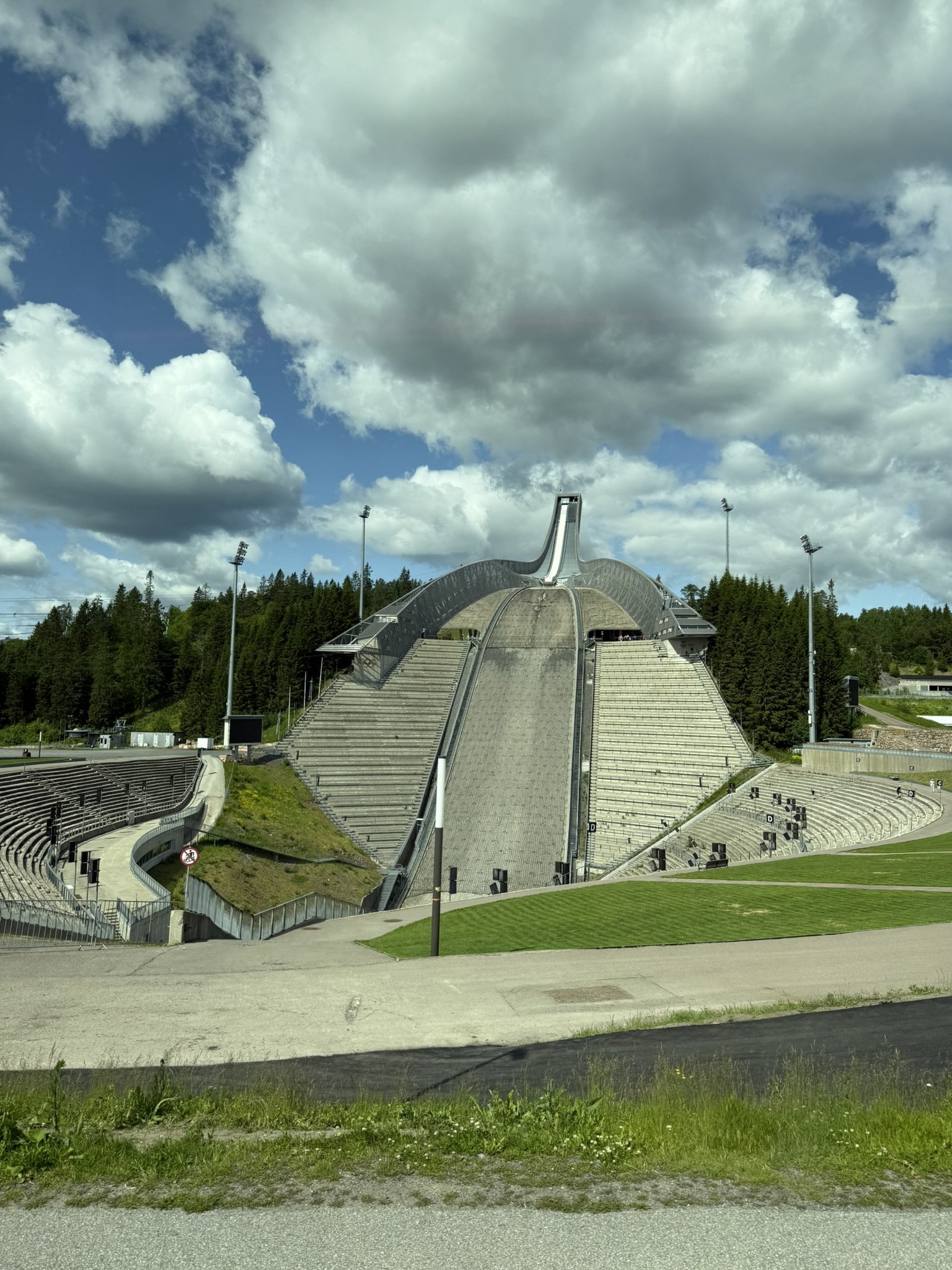
Our first big stop was Holmenkollen, and even though I had no idea what we were pulling up to, William knew instantly. It’s one of the most famous ski jumps in the world and a symbol of Norway’s winter-sports heritage, hosting competitions for over a century. The structure is massive and dramatic in person, perched above the city with sweeping views. We walked around, grabbed a few souvenirs, and hopped back on the bus.
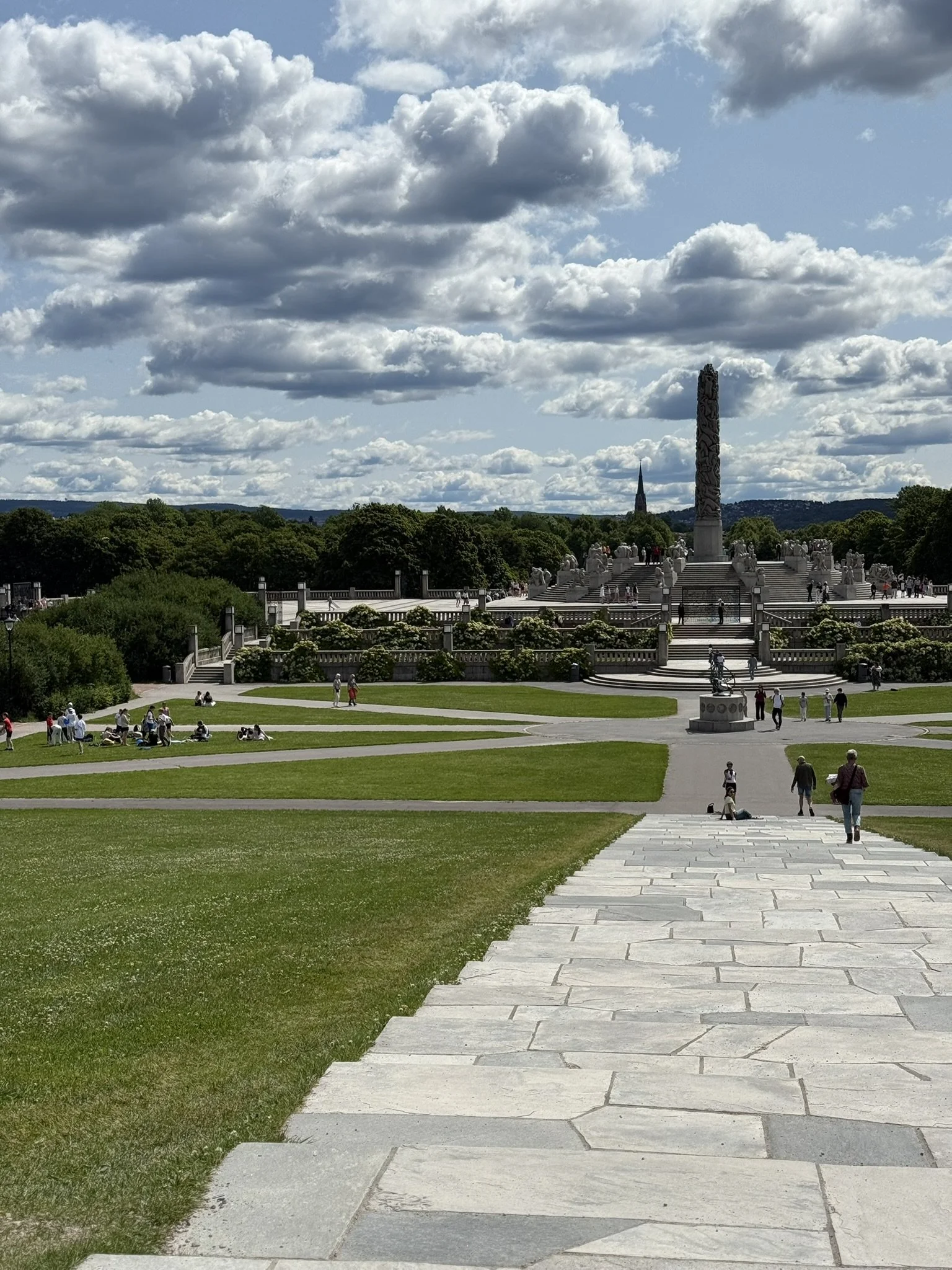
Next was Vigeland Park, the world’s largest sculpture park created by a single artist. It’s filled with more than 200 sculptures by Gustav Vigeland—emotional, expressive, and surprisingly modern. The guide walked us through the stories behind many of them, including my favorite, the Wheel of Life—a circular sculpture representing the full cycle of human existence. The whole park was beautiful and so different from anything we’ve seen before.
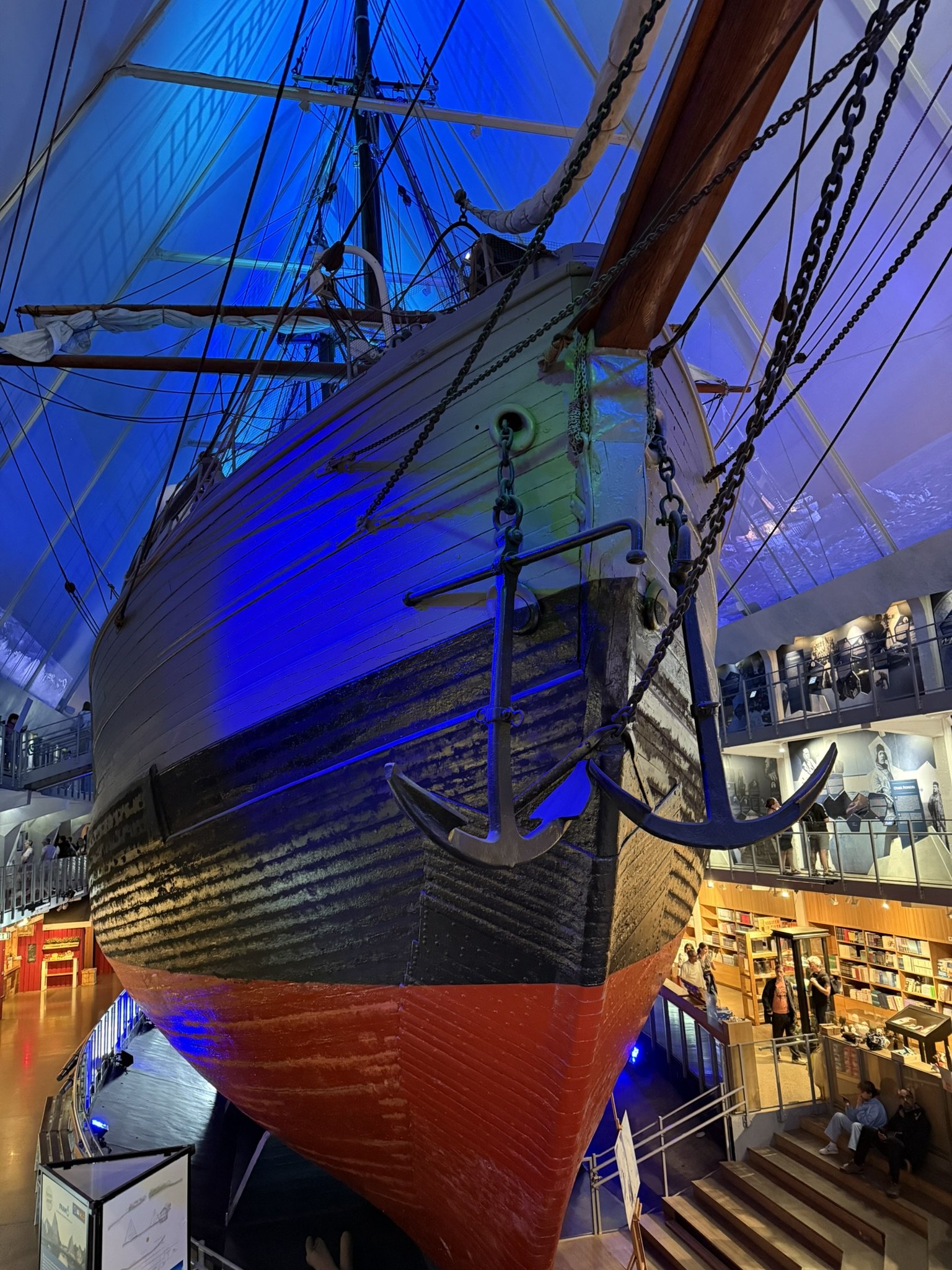
We continued on to the Fram Museum, home to the famous polar exploration ship Fram. The entire museum is built around the preserved vessel, and you can actually walk through it. The exhibits dive into Norway’s history of polar expeditions—Arctic hardships, scientific discoveries, and the wild conditions these explorers endured. It was unexpectedly fascinating.
By then we were getting hungry, so we grabbed fries and drinks from Taste of Tiki next door before boarding the bus again—just enough to hold us over until our next stop.
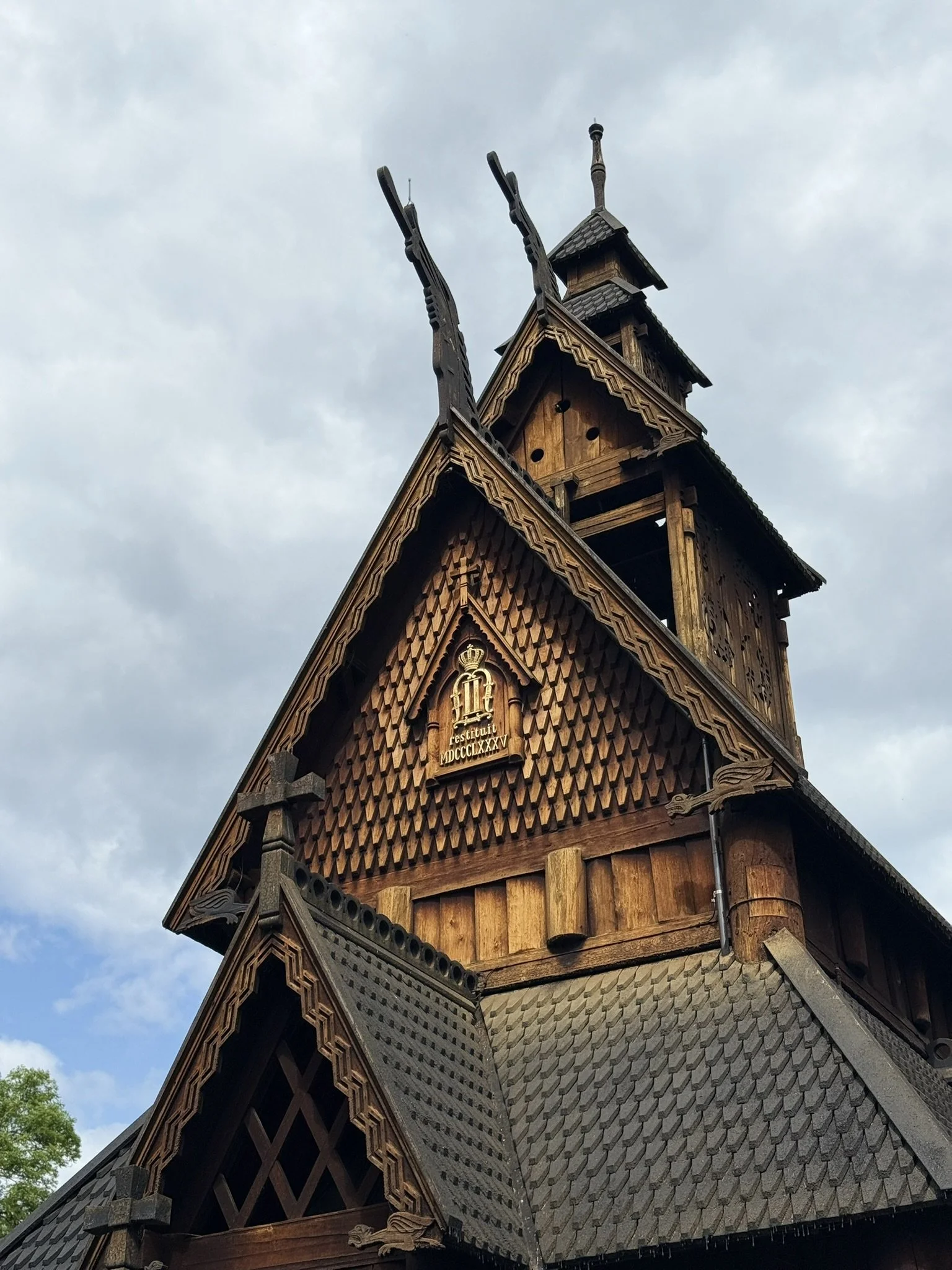
The Norwegian Folk Museum felt like stepping straight into a time capsule. It’s an open-air museum with historic wooden homes, farm buildings, and even a stunning stave church, all showing what life looked like across Norway through the centuries. It was one of those places we never would’ve picked on our own, but the tour brought us right to it—and it ended up being one of the most memorable stops of the day.

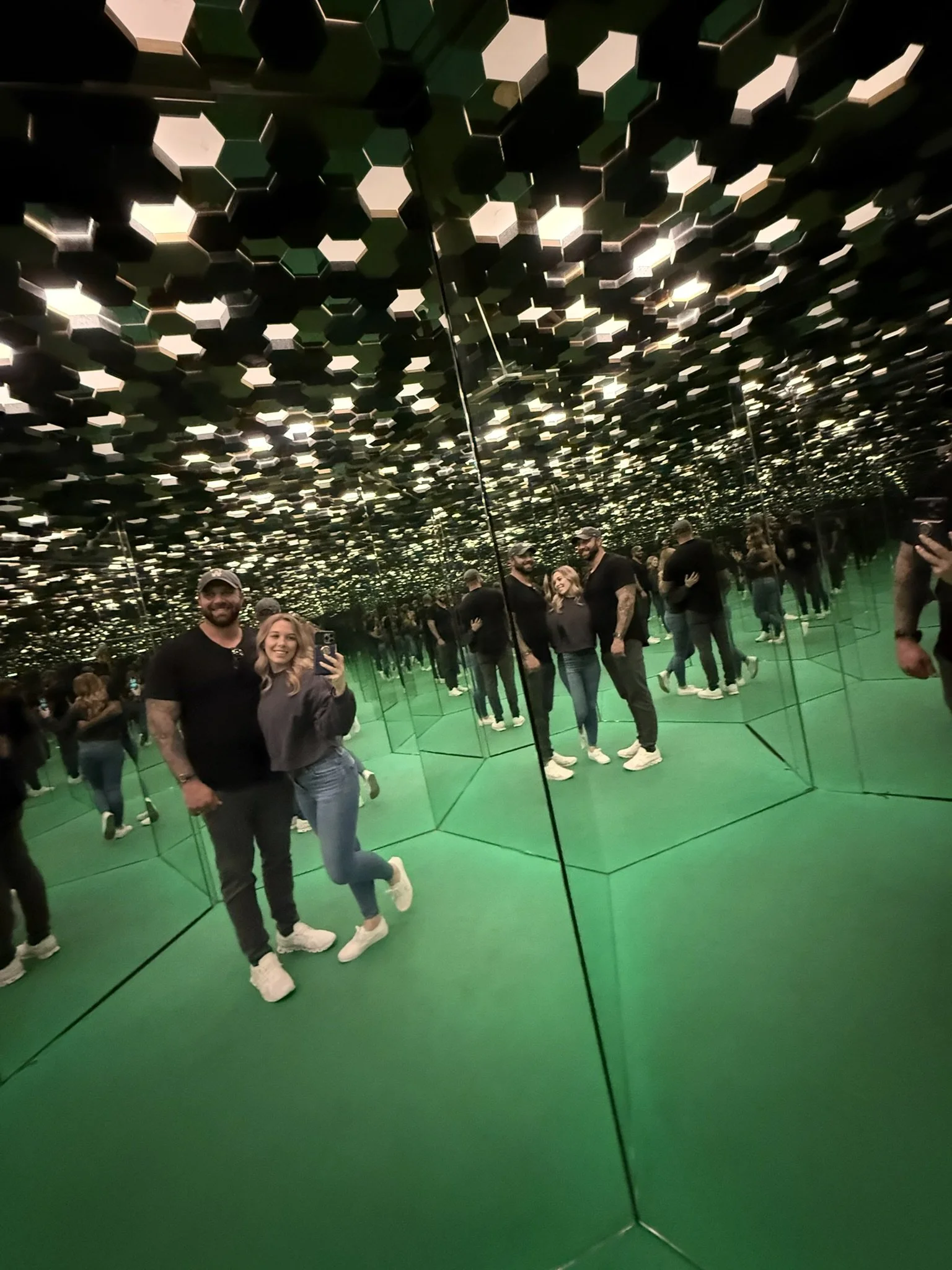
After returning to Oslo, we grabbed a quick drink at the hotel bar and then walked to the Paradox Museum, just down the street. It’s full of optical illusions, perspective tricks, and interactive rooms designed to mess with your senses. It was fun and quirky, but smaller than expected and a bit pricey for how little there was to see—still, a cute way to spend an hour.
Later that evening, we wandered over to Oslo Street Food, a lively indoor food hall we’d been excited to try. We love places where we don’t have to eat the same thing, so I grabbed tacos from Taco Al Pastor while William ordered chicken katsu with rice. Both meals were just okay, and definitely on the expensive side, but the food hall itself was adorable and super easy to order from using your phone.

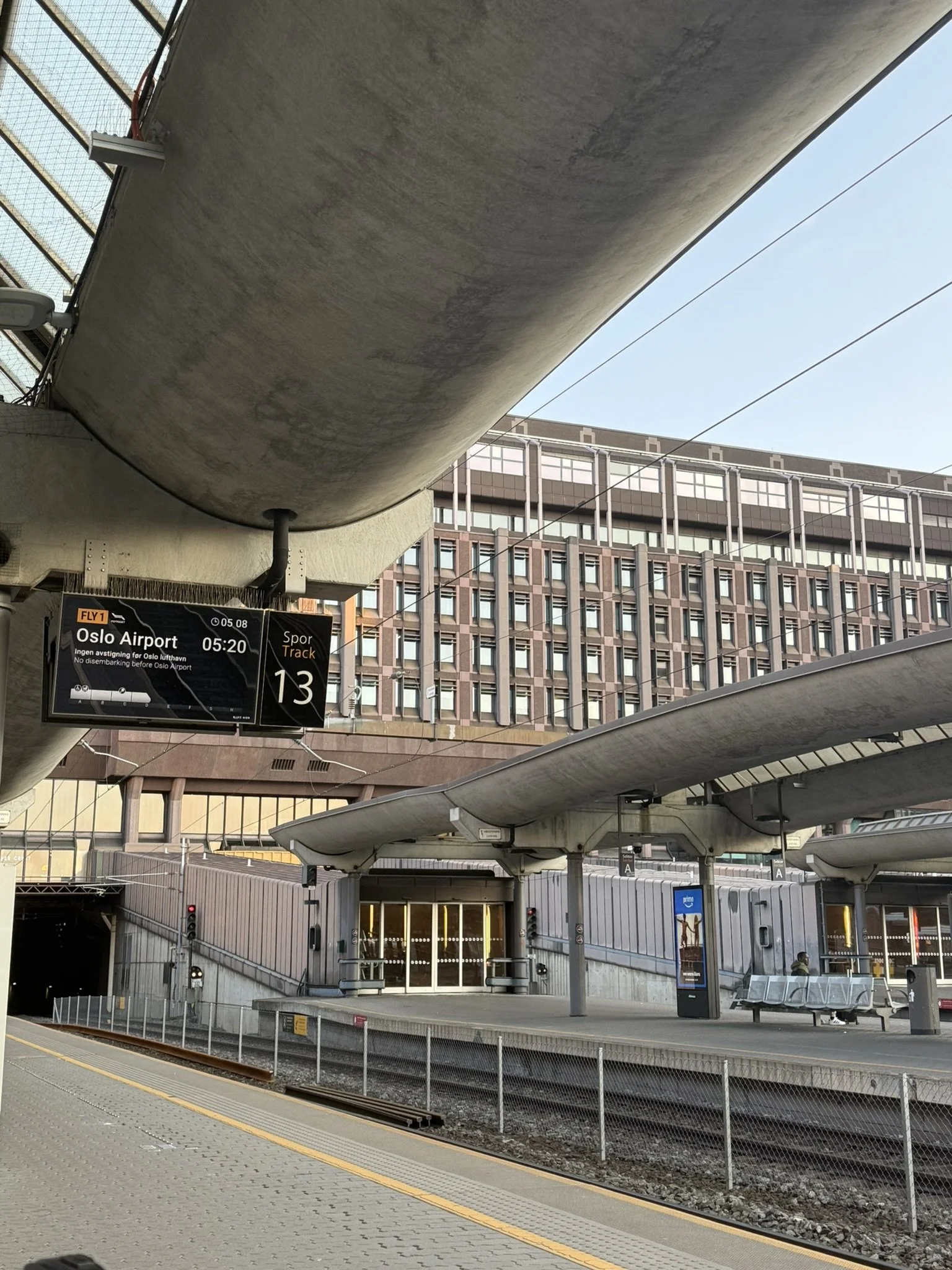
After dinner, we headed back to the hotel and called it an early night—our flight to Stockholm, Sweden was waiting bright and early the next morning.
Travel Experience Collection
Trip Summary
Oslo, Norway Recap
What We Did
-
Stayed at Best Western Plus Oslo Airport 🔗 Hotel
Perfect for late arrivals—quiet, comfortable, and just minutes from the airport.
-
Stayed at Hotell Bondeheimen 🏨 City Hotel
A warm, stylish, modern Scandinavian hotel right in the heart of Oslo.
-
Oslo Walking Tour 🚶 Guided
University of Oslo, Nationaltheatret, Royal Palace, Akershus Fortress, Oslo City Hall, Opera House, Kvadraturen & Tjuvholmen.
-
Holmenkollen Ski Jump ⛷️ Landmark
One of the world’s most iconic ski jumps—massive, dramatic, and home to over a century of competitions.
-
Vigeland Park 🗿 Sculpture Park
Over 200 sculptures by Gustav Vigeland, including the Wheel of Life—a beautiful, emotional walk through art.
-
Fram Museum 🚢 Museum
Step aboard the real Fram polar exploration ship and dive into Norway’s daring Arctic history.
-
Norwegian Folk Museum 🏡 Open-Air
A living time capsule with traditional homes, farms, and an incredible stave church—one of the day’s best surprises.
-
Paradox Museum Oslo 🌀 Interactive
Optical illusions, perspective rooms, and quirky photo ops—fun but smaller than expected.
What We Ate
-
Amundsen Bryggeri & Spiseri 🍽️ Lunch
Outdoor seating with great service—Caesar salad, cheeseburger, tiramisu & blackberry cheesecake.
-
Taste of Tiki 🍟 Snack
Quick stop for fries and drinks between museum visits—simple and convenient.
-
Brasilia Oslo 🍖 Dinner
Brazillian barbecue with rotating meats—good food but long waits and limited buffet.
-
Oslo Street Food 🌮 Food Hall
A fun, lively indoor market—tacos from Taco Al Pastor and chicken katsu with rice. Cute but pricey.
-
Freia Melkesjokolade 🍫 Treat
The famous Norwegian chocolate bar—creamy, smooth, and a must-try souvenir.
Oslo Collection




As an Amazon Associate I earn from qualifying purchases. These are items I recommend packing for Norway.
Travel Tips
Tips for Planning Your Oslo, Norway Trip
🎟️ Tickets & Timing
- Book major museums ahead of time. Popular spots like the Fram Museum and the Paradox Museum can get busy, especially on weekends.
- Plan your Oslo bus or walking tour early in the day. Morning tours are less crowded and the lighting is better for photos.
- Expect bag checks at larger attractions. The National Museum and Oslo Opera House security can add a few extra minutes.
🚶 Walking & Getting Around
- Stay central if you plan to explore on foot. Areas around Karl Johans Gate, the Royal Palace, and City Hall put you close to everything.
- Wear comfortable shoes. Oslo’s waterfront, historic areas like Kvadraturen, and castle grounds all involve lots of walking.
- Use Uber or Flytoget when needed. Transportation is reliable, but distances between museums can be longer than expected.
🍽️ Food Planning
- Expect higher food prices. Oslo is known for being pricey—street food and casual spots can still add up quickly.
- Try food halls for variety. Oslo Street Food is fun if you want different meals without committing to one restaurant.
- Save sit-down meals for lunch. Places like Amundsen Bryggeri & Spiseri are great midday options before museum visits.
- Pick up local treats. Grab a bar of Freia Melkesjokolade—Oslo’s classic chocolate—at grocery stores or convenience shops.
🧭 Sightseeing Strategy
- Pair nearby attractions together. City Hall, the Nobel Peace Center, and the waterfront are all walkable in one loop.
- Expect weather shifts. Norway’s weather can swing quickly—pack a light jacket even in summer.
- Book tours that include Holmenkollen. Transportation to the ski jump can be tricky without a shuttle or guided tour.
📸 Photo Tips
- Walk on the Opera House roof for the best views. The angles and reflections are perfect for photos.
- Visit Vigeland Park in soft morning or evening light. The sculptures photograph beautifully with angled sunlight.
- Capture night shots around the harbor. Oslo’s waterfront glows after dusk—great for relaxed evening photos.
Travel Experience Collection
Oslo Photo Diary
Favorite Moments from Oslo
Final Thoughts
Why Oslo Makes a Perfect 48-Hour Stop
Oslo is one of those cities that quietly surprises you. In just 48 hours, you can experience a blend of history, culture, architecture, and nature without ever feeling rushed. It’s compact enough to navigate easily, yet full of depth — from grand landmarks and royal history to modern waterfront neighborhoods, world-class museums, and peaceful parks. Even the quick walks between stops feel intentional and beautiful.
Whether you're pausing here on a longer Nordic adventure or adding Oslo as a standalone getaway, the city offers exactly the right mix of sightseeing and calm. It’s a place where you can explore all day, eat well, learn something new, and still end the evening feeling relaxed. If you’re building a multi-country itinerary, Oslo is the perfect “breather city” — rich in experiences, effortless to enjoy, and absolutely worth the stop.